


GLC Literaria ’25: Where Literature Met Lived Experience Government Law College, Thiruvananthapuram. 17–18 December 2025
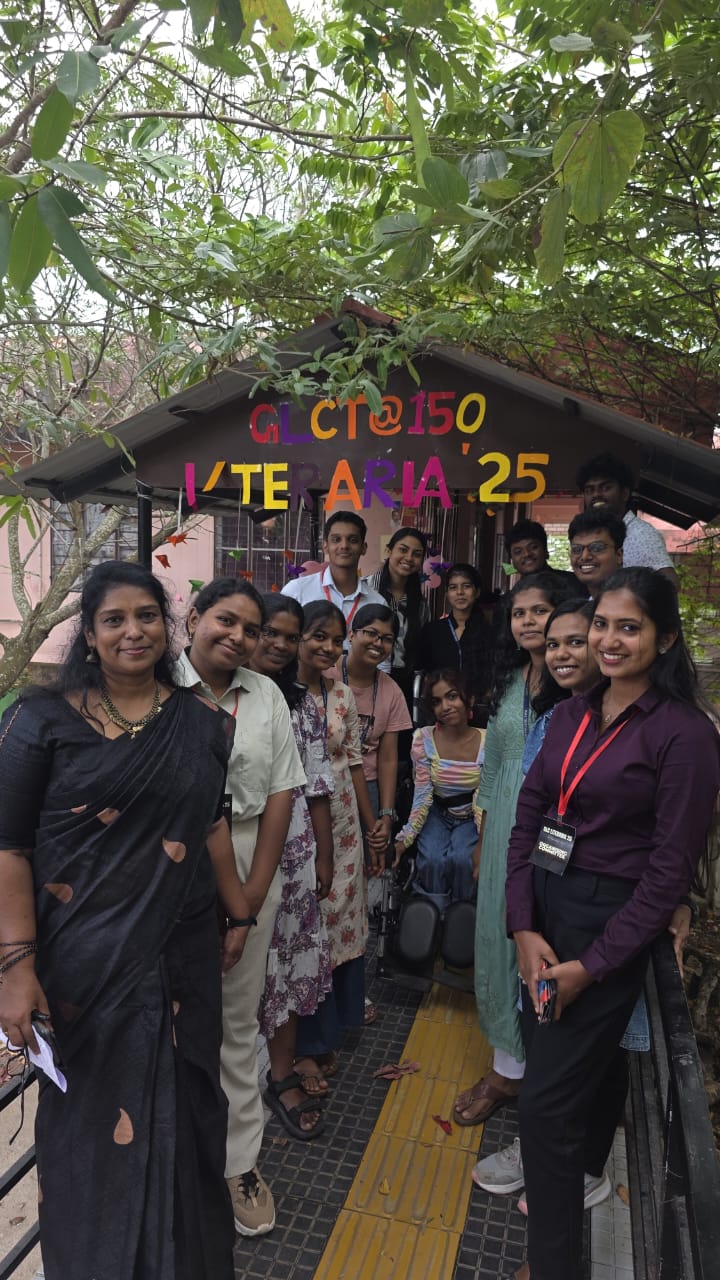
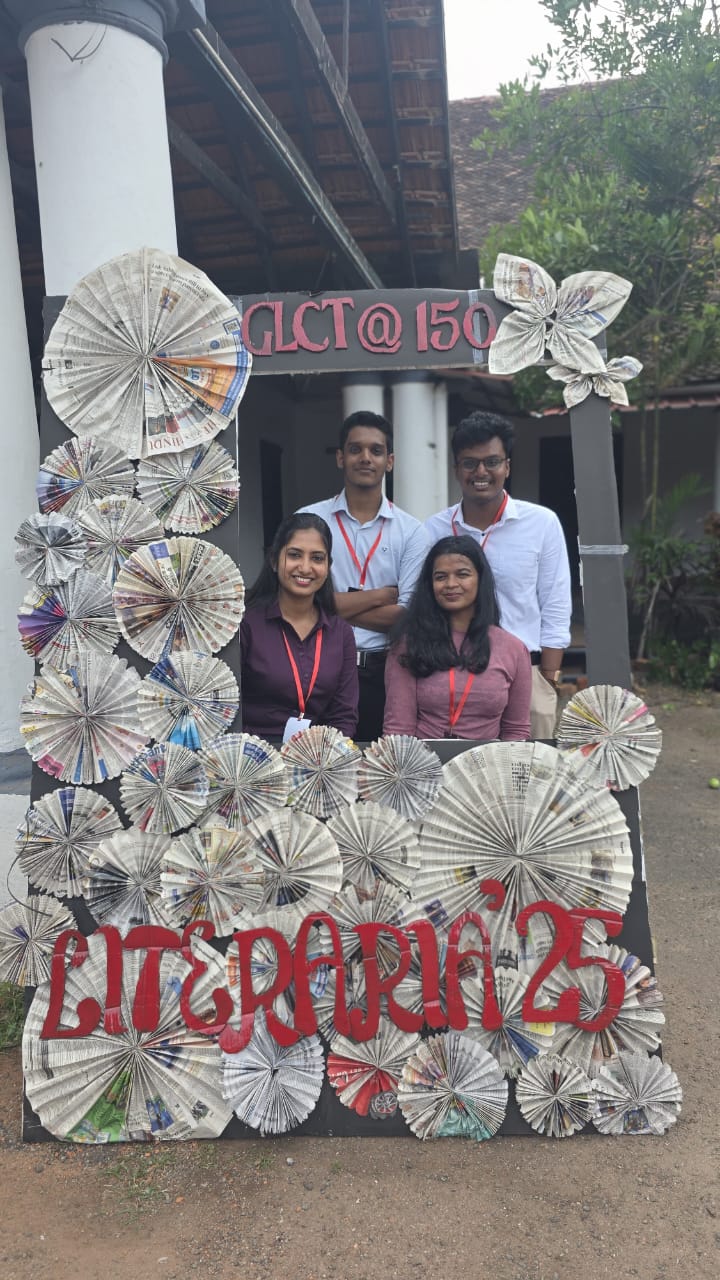
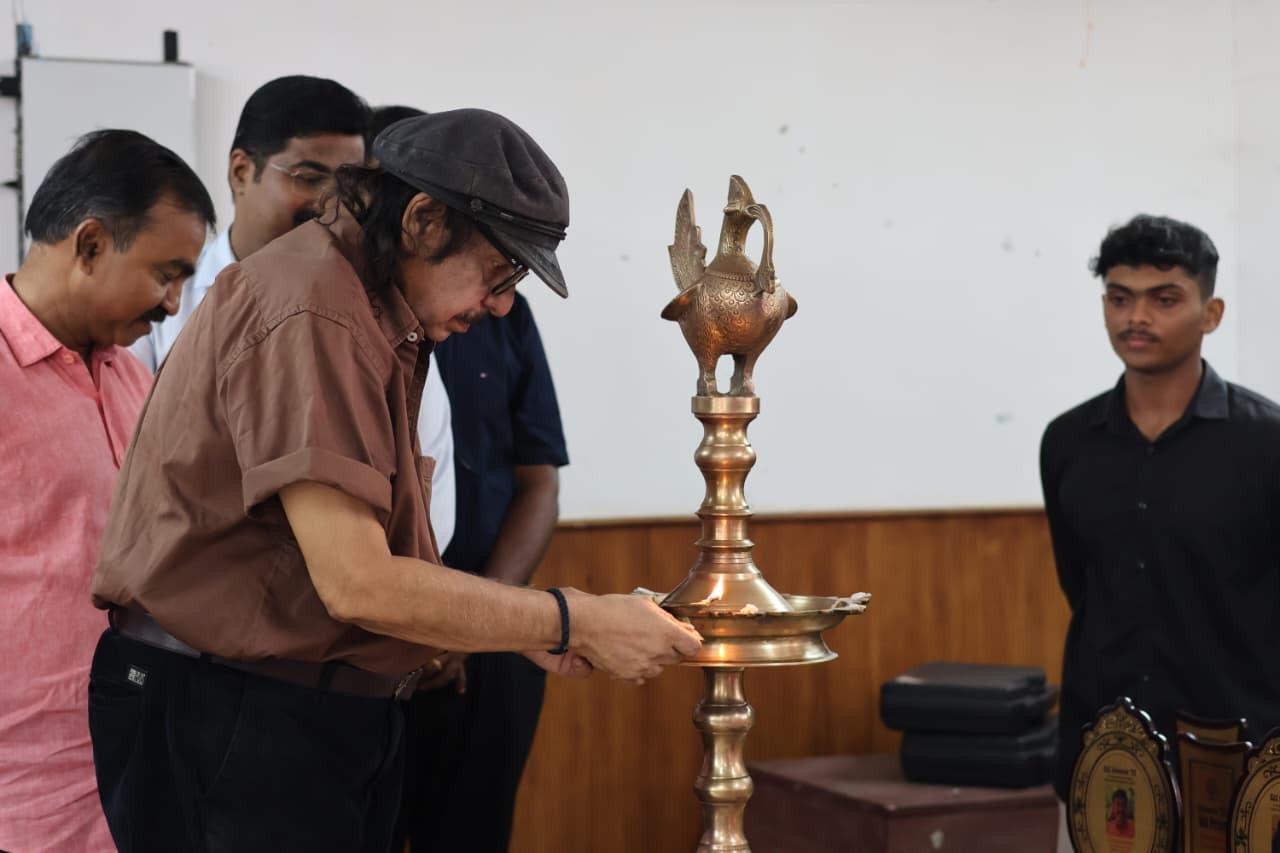
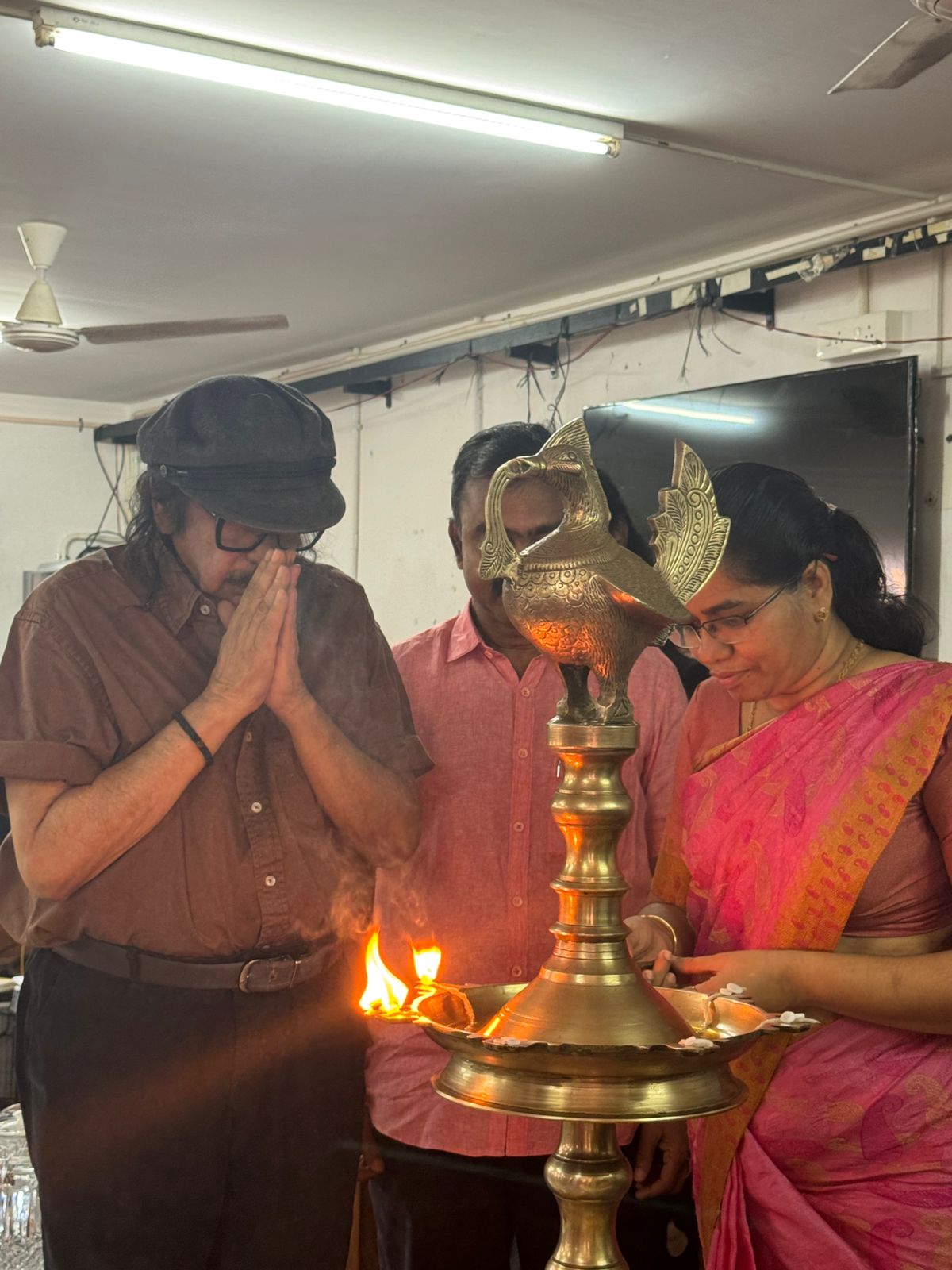
In an age where academic spaces are increasingly called upon to respond to social realities, GLC Literaria ’25 emerged as a thoughtful convergence of literature, creativity, and lived experience. Organised by the students of the 5th Semester B.A. LL.B of Government Law College, Thiruvananthapuram, in association with the Internal Quality Assurance Cell (IQAC), the two-day intra-college literary fest unfolded on 17 and 18 December 2025, offering a rich tapestry of intellectual dialogue and artistic expression. Under the guidance of Smt. Smita John, Assistant Professor of English and Faculty Coordinator, and supported by student coordinators Shyma Shaj, Alwin Antony, Subodh S. Sukumar, and Khushi Chandran, Literaria ’25 set out to reaffirm literature’s relevance beyond the classroom — as a tool for empathy, critique, and social engagement. The inaugural session marked a dignified beginning, symbolised by the traditional lighting of the lamp. Presided over by Dr. Hameema M., Principal-in-Charge, the session was formally inaugurated by Sri. Soorya Krishnamoorthy, Former Chairman of the Kerala Sangeetha Nataka Academy. His address eloquently highlighted the transformative power of art and literature in shaping socially conscious individuals.
The keynote address by Dr. Vishnu Narayanan, Director of the Centre for English Language Teaching, University of Kerala, offered profound reflections on language, pedagogy, and lived experience, leaving a lasting intellectual impression on the audience. Academic engagement took centre stage with “Resonate,” an intra-college seminar presentation that provided students with a platform to explore socially relevant literary and socio-political themes. Papers addressing gender justice, identity, constitutional values, counterculture, and human rights sparked meaningful discussions, with gender-based discourse emerging as a dominant and thought-provoking theme. The session encouraged critical reflection on social conditioning, autonomy, and justice, reinforcing the role of literature as a mirror to society. Visual storytelling found expression through the Photography Session and Exhibition, led by Sri. Ashlin Alexander, recipient of the State Wildlife Photography Award. Sharing his journey into wildlife photography, he emphasised ethical engagement, perseverance, and creative vision. The exhibition, curated outside the Seminar Hall, drew wide appreciation for its originality and narrative depth. The first day concluded on an emotionally resonant note with the screening of the documentary That’s My Boy, which traced the lived experience of a trans man navigating identity and acceptance. Contextualised alongside Revathi’s The Truth About Me: A Hijra Life Story, the screening invited reflection on representation, resilience, and the politics of gender, positioning cinema as an extension of life-writing and social critique.

Day Two of Literaria ’25 shifted focus towards participatory and human-centred engagements. The Poetry Carnival, chaired by Ms. Sindhu Vasudevan, recipient of the Samam Sahitya Award 2025, celebrated poetry as a medium of emotional truth and social expression. Multilingual recitations by students and faculty transformed the session into a vibrant exchange of voices, reaffirming poetry’s enduring relevance in contemporary discourse. One of the most engaging sessions of the fest was the Human Library interaction, “The Viral Family: An Episode of Love and Laughter.” Featuring social media personalities Murukan, Sandhya, Ambadi, and Aromal, the session unfolded as an open dialogue on family, resilience, and life behind digital visibility. Music, dance, and candid storytelling dissolved conventional barriers between speaker and audience, fostering empathy and challenging stereotypes.

Academic rigour returned with the talk “Why Inclusion Must Be More Than Performance” by Dr. Sharada Devi V, Assistant Professor and researcher in Disability Studies. Her incisive critique of performative inclusion urged institutions to move beyond symbolic gestures towards genuine accessibility and structural sensitivity, prompting deep reflection on ethics, equity, and representation. The intellectual energy of the day continued with Pugna Mentium, an intra-college literature quiz that tested literary knowledge and analytical skills across genres and traditions.

The valedictory function that followed honoured winners of the Travelogue Writing competition and the quiz, celebrating creativity, observation, and critical thinking. The fest concluded with another reflective Human Library session, “A Tapestry of Trials: Weaving Success from Strands of Struggle,” led by Mr. Jayan N T, Assistant Professor of English. Drawing from personal and professional experiences, the session offered insights into perseverance and growth, leaving students with a renewed sense of purpose and introspection. In its scope and spirit, GLC Literaria ’25 stood as more than a literary fest. It became a space where texts met testimonies, creativity met critique, and learning extended beyond academic boundaries. Through dialogue, performance, and reflection, the fest reaffirmed literature’s power to shape empathy, inspire change, and cultivate socially conscious minds.
Beyond its structured sessions, GLC Literaria ’25 functioned as an important exercise in interdisciplinary learning, demonstrating how literary engagement can meaningfully intersect with legal education, sociology, gender studies, and disability studies. The fest underscored the relevance of literature in shaping ethical reasoning, critical consciousness, and social responsibility among law students, thereby reinforcing the idea that literary inquiry is integral to holistic professional formation.
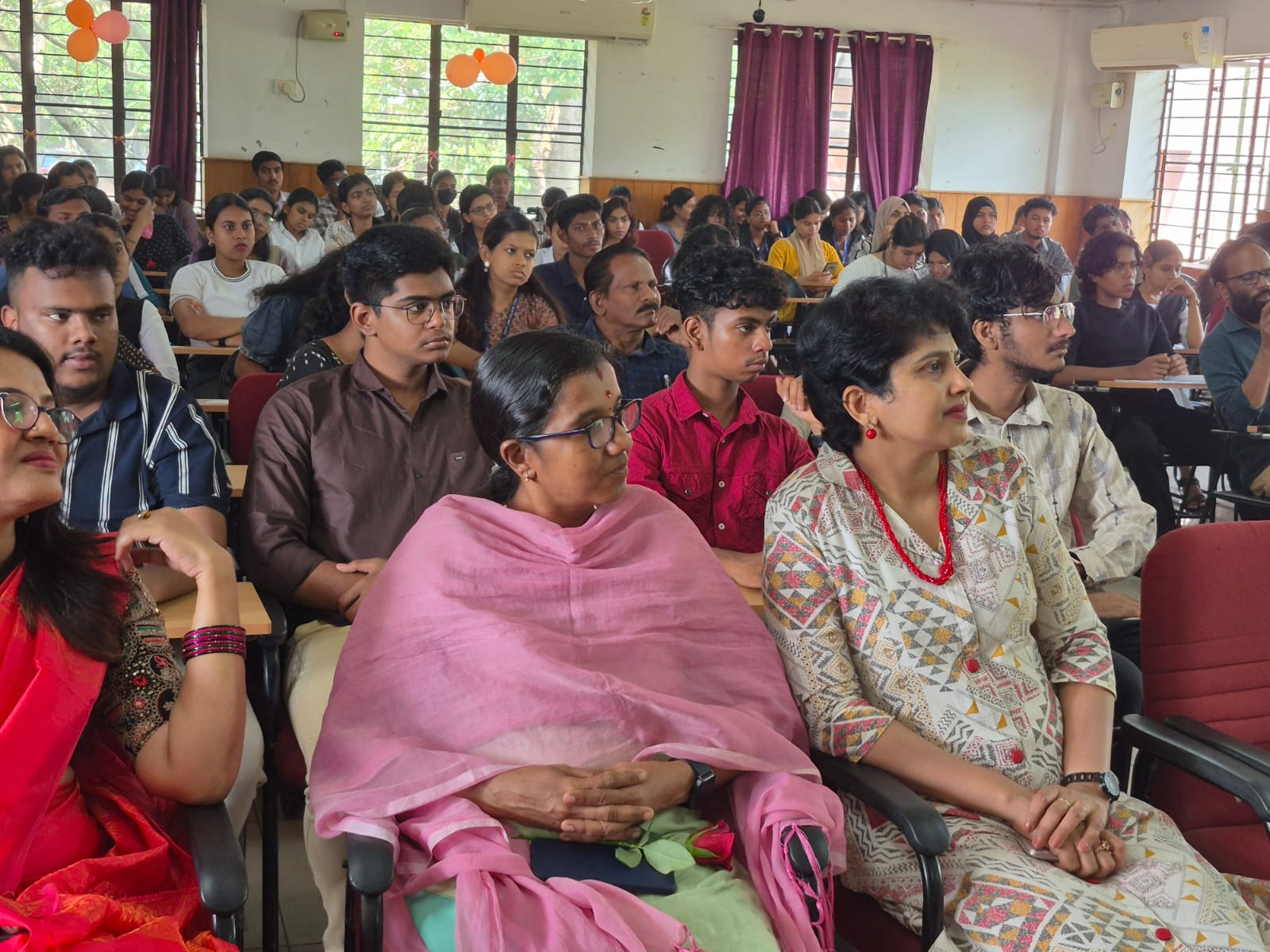
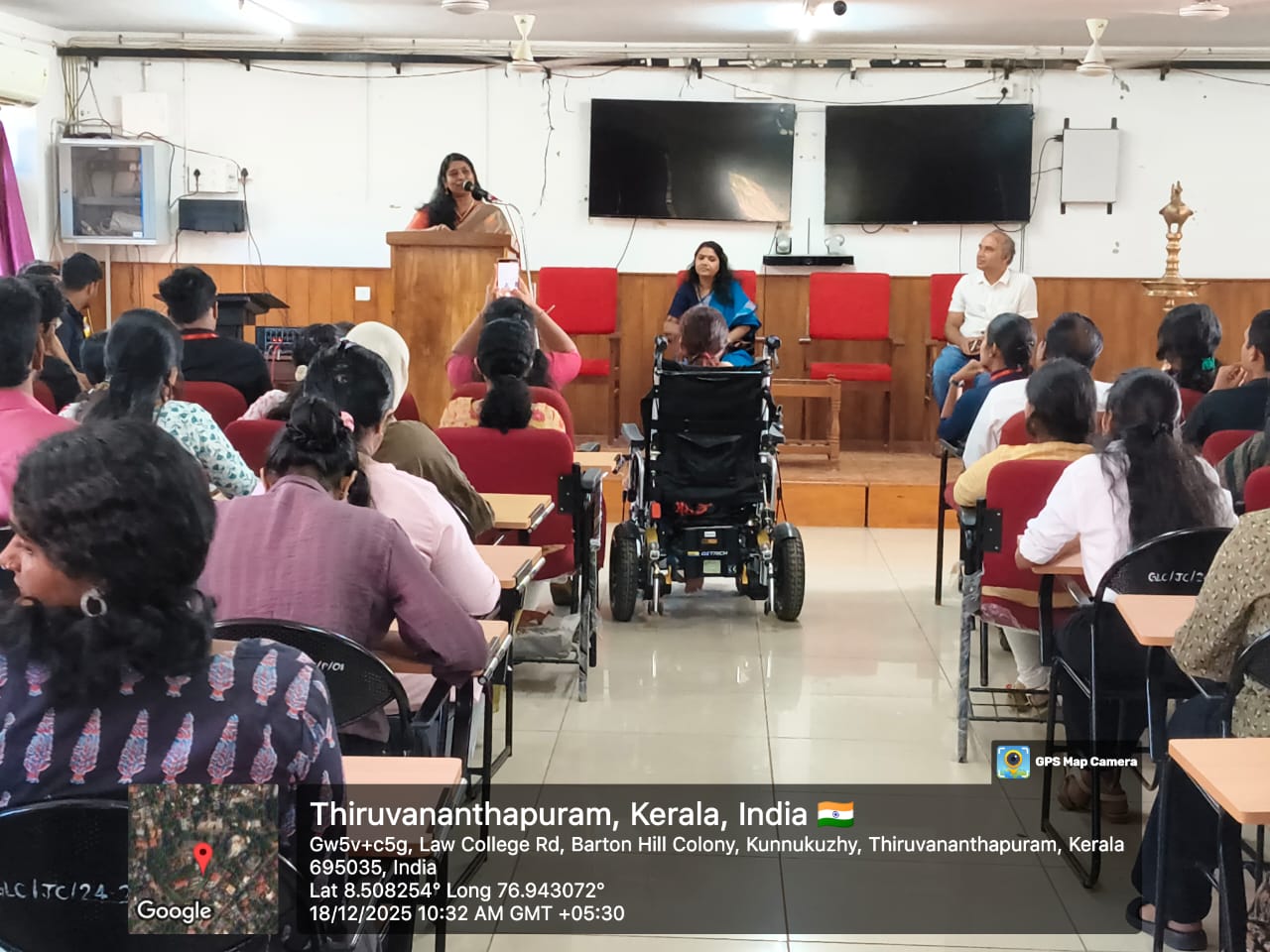
The event also stood out for its strong emphasis on student leadership and collaborative learning. Students played an active role not only as participants but as organisers, moderators, and facilitators, fostering a sense of ownership and academic confidence. Such involvement transformed the fest into a dynamic learning environment where peer-to-peer interaction complemented faculty guidance.
A distinctive feature of Literaria ’25 was its focus on experiential and dialogic modes of learning. Interactive formats such as Human Library sessions, documentary screenings, and live performances moved beyond conventional lecture models, allowing knowledge to emerge through conversation, reflection, and shared experience. These formats created inclusive spaces that encouraged openness, empathy, and critical self-reflection.
Furthermore, the fest expanded the scope of literary engagement by embracing non-traditional forms such as life-writing, digital narratives, photography, and performance. This broadened understanding of literature as a living, evolving practice rooted in social realities rather than confined to canonical texts. By foregrounding marginalised voices and contemporary concerns, the fest deepened awareness of representation, inclusion, and justice.
Through its thoughtfully curated sessions and participatory ethos, GLC Literaria ’25 strengthened the academic culture of the institution while fostering a sense of intellectual community. The fest not only celebrated literary expression but also reaffirmed the role of the humanities in nurturing empathetic, socially conscious, and critically engaged future legal professionals.


